
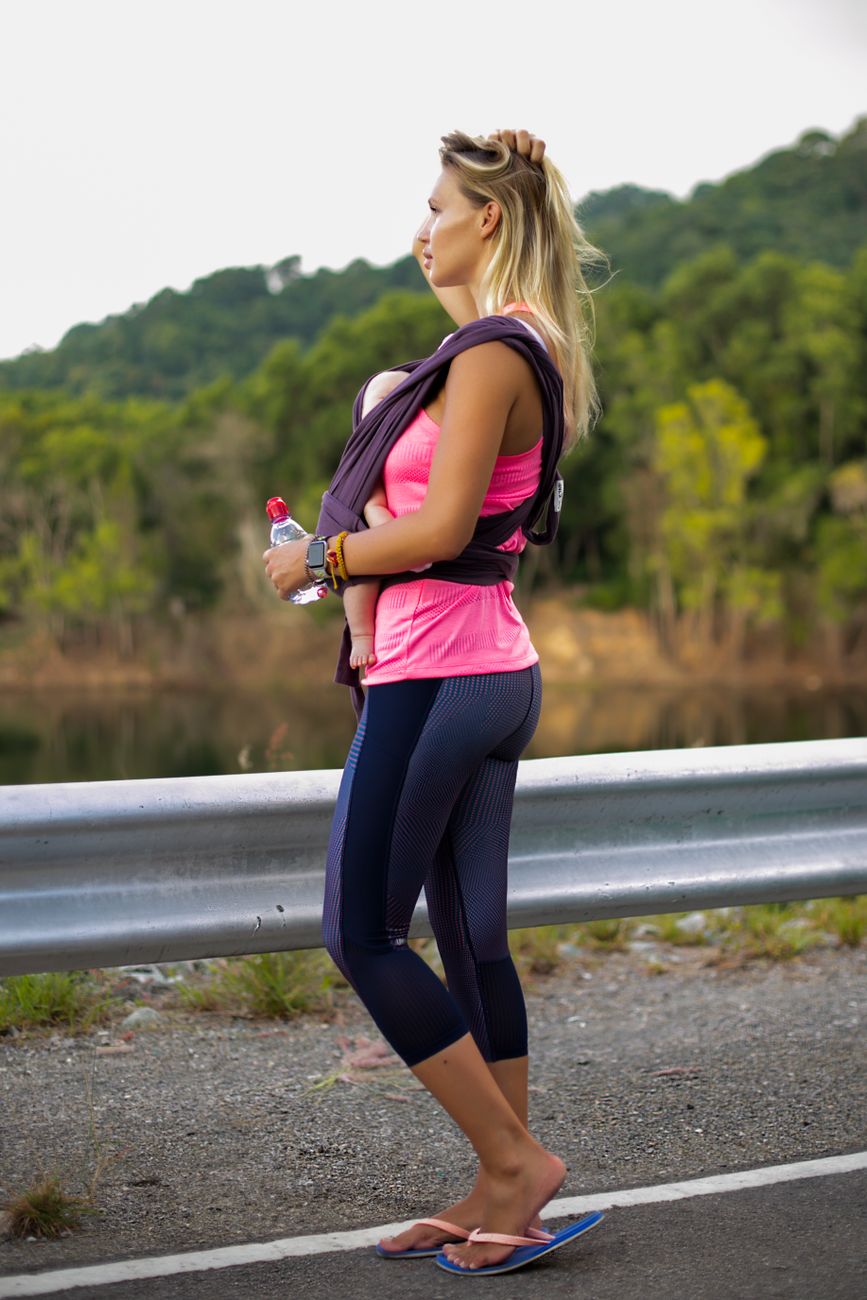
Is it safe to start exercising after having a baby, and how much is enough?
Why the postpartum period matters
The months after childbirth are a high-stakes window. Women face a higher risk of depression, weight retention, sleep disorders, diabetes and cardiovascular disease during this time. Physical activity and better sleep can help offset much of that risk.
How much activity is recommended?
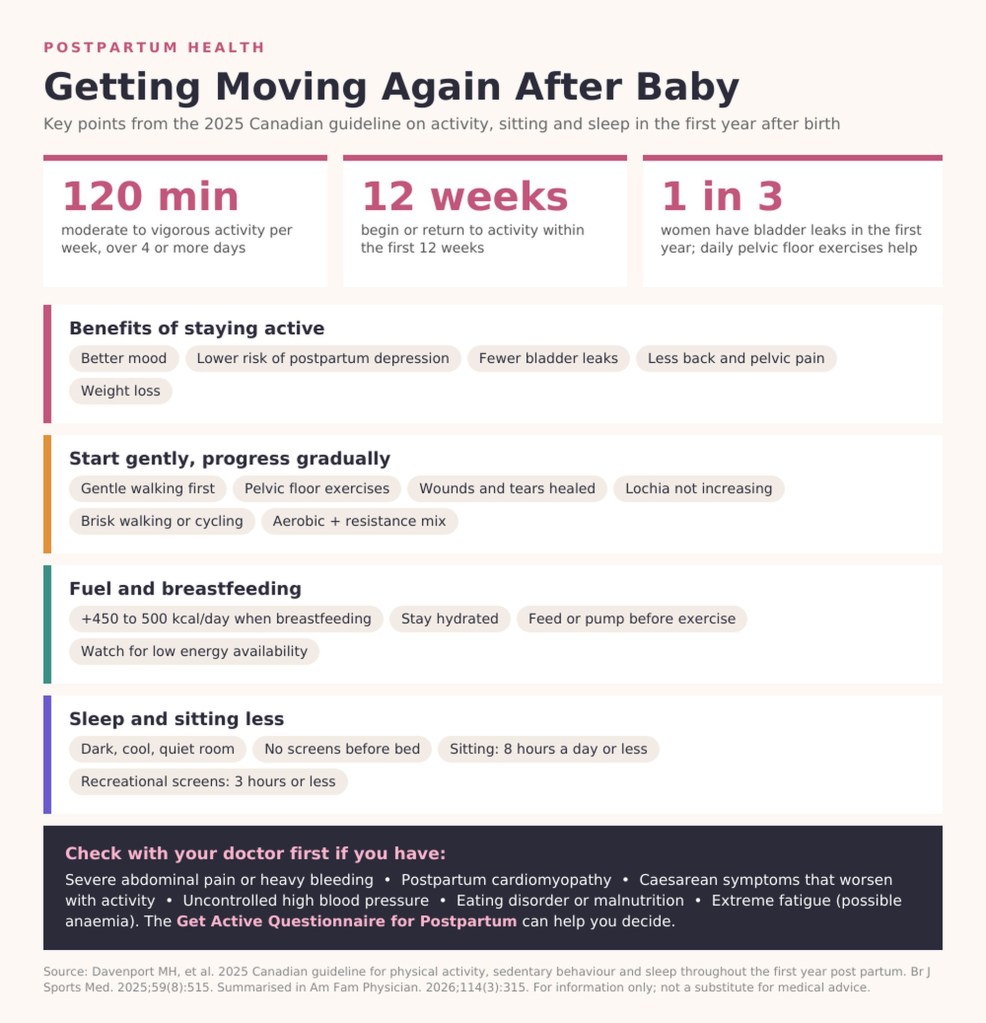
For women without contraindications, the guideline recommends beginning or returning to activity within the first 12 weeks postpartum, building toward:
- At least 120 minutes per week of moderate to vigorous activity, such as brisk walking or cycling
- Spread over 4 or more days each week
- A mix of aerobic and resistance training
The benefits are meaningful: improved mood, less low back and pelvic pain, as well as help with weight loss. Physical activity reduces postpartum depression symptoms too.
Start gently and progress gradually
There is no need to jump straight in. Early mobilization begins with gentle walking and pelvic floor exercises. Once any surgical incision or perineal tear has healed well and vaginal bleeding does not increase with activity, you can progress toward moderate to vigorous intensity.
The pace should be individualised and based on symptoms, healing and personal circumstances. A rapid return is best avoided if there is musculoskeletal pain, incision pain, heavy vaginal bleeding, pelvic floor dysfunction or mental health concerns.
Who should check with a doctor first?
The guideline highlights situations where medical advice is needed before exercising, including:
- Severe abdominal pain or significant vaginal bleeding
- Heart muscle disease related to pregnancy (postpartum cardiomyopathy)
- Caesarean delivery with symptoms that worsen with activity
- Uncontrolled high blood pressure
- Eating disorders or malnutrition
- Extreme fatigue that could point to anaemia or low energy availability
The self-administered Get Active Questionnaire for Postpartum can help identify who should seek medical guidance first.
Fuel, hydration and breastfeeding
Breastfeeding needs roughly 450 to 500 extra kcal a day above baseline. If you do not eat enough, you can end up with low energy availability, which may cause missed periods, poor recovery, weaker bones, disturbed sleep and fatigue. Adequate food and fluids help maintain milk supply. Feeding or pumping before exercise can make workouts more comfortable.
Pelvic floor therapy: do it daily
Daily pelvic floor exercises help prevent urinary incontinence and rebuild muscles stretched by pregnancy, labour and delivery. Instruction from a pelvic floor physiotherapist gives the best results.
Sleep and sitting less
- Build a sleep routine: avoid screens before bed and keep the room dark, cool and quiet. Sleep interventions ease depressive symptoms, and exercise further improves sleep quality and daytime fatigue.
- Limit sedentary time to 8 hours a day.
- Keep recreational screen time to 3 hours a day or less.
High sedentary time is linked to persistent lower back and pelvic pain, weaker pelvic floor support and postpartum weight retention.
The Bottom Line
Aim to ease back into movement within 12 weeks of birth, building to at least 120 minutes of moderate to vigorous activity a week, with daily pelvic floor exercises, good nutrition and protected sleep. Go gradually, and check with your doctor first if any warning signs apply.
References
- Davenport MH, Ruchat SM, Jaramillo Garcia A, et al. 2025 Canadian guideline for physical activity, sedentary behaviour and sleep throughout the first year post partum. Br J Sports Med. 2025;59(8):515.
- Coomes JC, Acebo SB, Crossman EL. Postpartum physical activity and sleep: guidelines from the Canadian Society for Exercise Physiology. Am Fam Physician. 2026;114(3):315.



Leave a Reply