
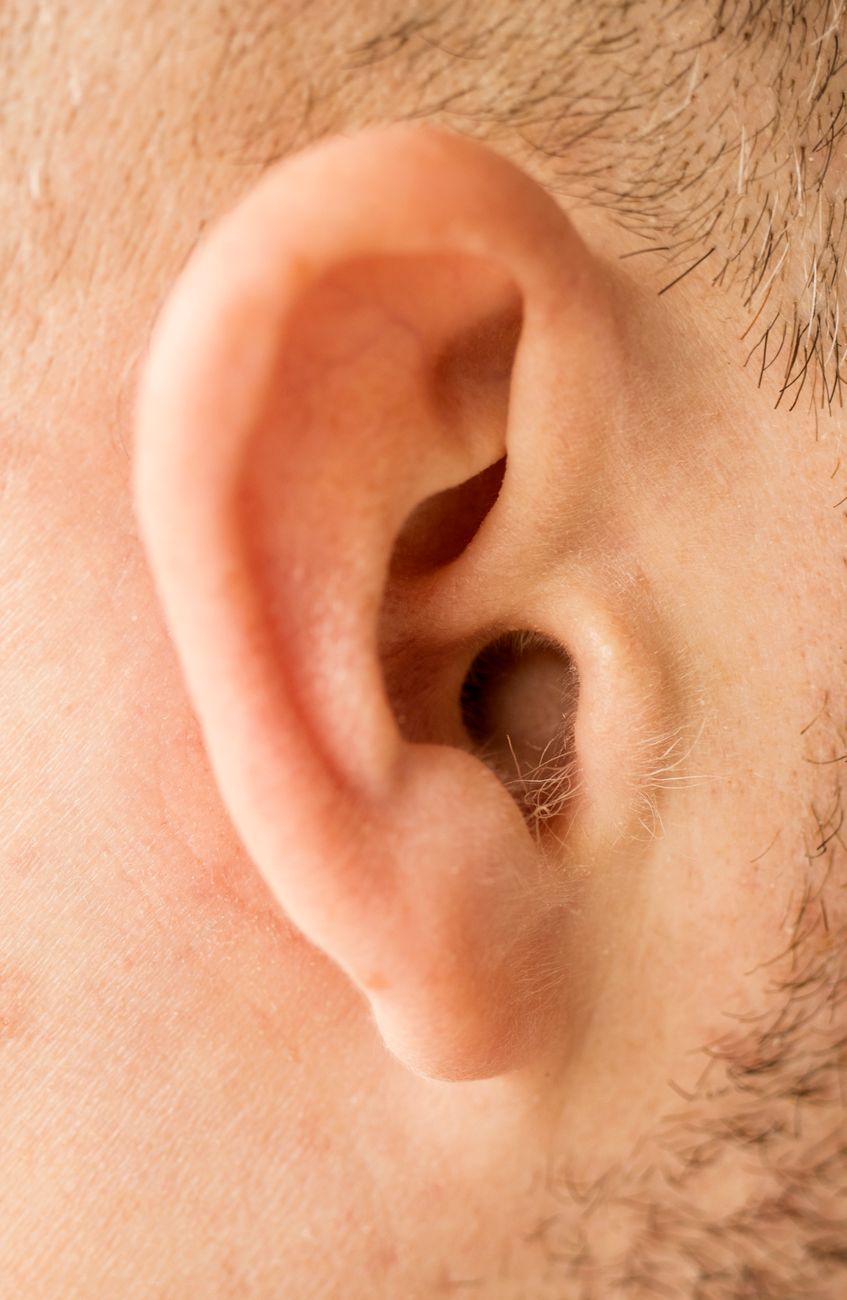
The Two Things That Cause Most Ear Infections (and How to Avoid Both)
Otitis externa—commonly known as swimmer’s ear—is an infection of the ear canal that’s surprisingly easy to prevent once you understand its two main triggers: trapped moisture and trauma to the ear canal lining. Here’s what the evidence says about keeping your ears infection-free.
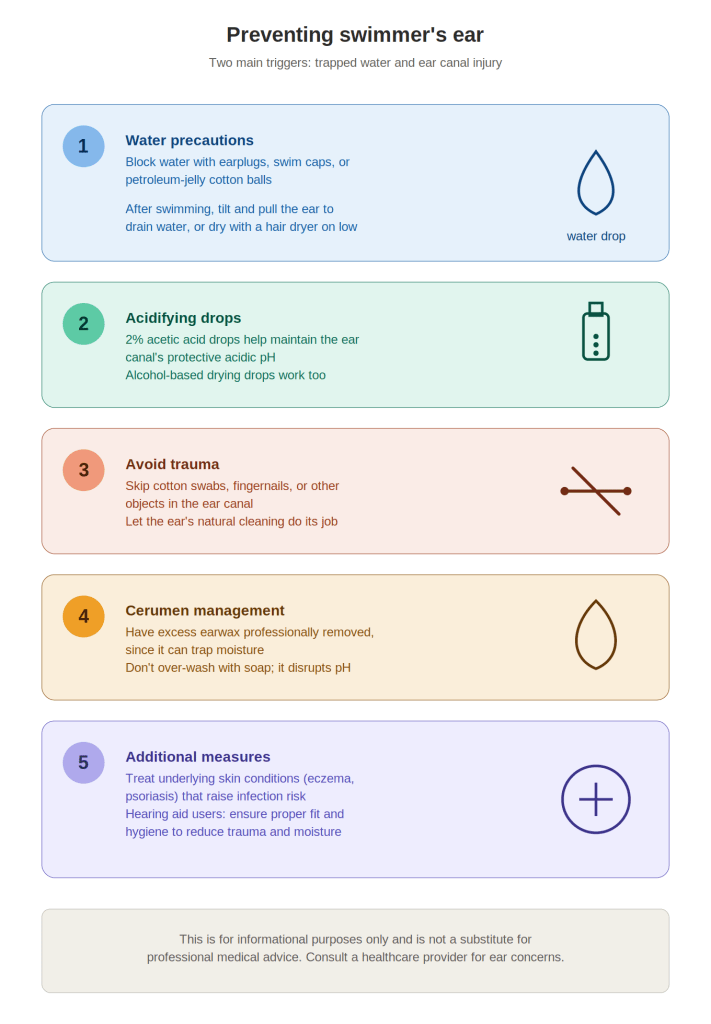
Keep Water Out (or Get It Out Fast)
If you swim regularly or shower often, moisture management is your first line of defense. There are two complementary strategies:
Block water from getting in:
- Wear well-fitted, clean earplugs
- Use a swim cap that covers the ears
- For bathing, a small dab of cotton coated in petroleum jelly placed at the ear canal entrance can help
Get water out quickly if it does get in:
- Tilt your head to the side and gently pull on your earlobe to help drain trapped water
- Use a hair dryer on its lowest heat setting, held a short distance away, to dry the canal
Acidic Ear Drops Can Help Prevent Infection
The ear canal naturally maintains a slightly acidic environment that discourages bacterial and fungal growth. After swimming or showering, a simple solution of 2% acetic acid (diluted vinegar) can help restore this protective acidity. Some people use it after water exposure, before swimming, at bedtime, or at all three times. Alcohol-based ear-drying drops work similarly well and are widely available over the counter.
Hands (and Cotton Swabs) Off
It’s tempting to clean your ears with a cotton swab, but this is one of the most common causes of ear canal injury—and injury is exactly what lets infection take hold. Your ears have a natural self-cleaning mechanism. Fingernails, swabs, and other objects disrupt it and can scratch the delicate skin lining the canal, creating an entry point for bacteria.
Don’t Let Earwax Build Up—But Don’t Over-Clean Either
Earwax (cerumen) buildup can trap moisture against the ear canal wall, so if you notice excessive wax, it’s worth having it professionally removed. On the flip side, washing your ears too frequently with soap can strip away the canal’s protective acid mantle, since soap residue tends to be alkaline. The goal is balance: address blockages, but don’t over-wash.
Other Things Worth Knowing
- Skin conditions matter. Eczema, psoriasis, or other dermatologic conditions affecting the ear canal can make infections more likely, so treating these underlying issues is part of prevention.
- Hearing aid users, take note: a well-fitted device that’s kept clean reduces both moisture retention and the friction that can injure the canal lining.
The Bottom Line
Most cases of swimmer’s ear come down to two preventable factors—water sitting in the canal and damage to its protective lining. Simple habits like drying ears thoroughly after swimming, using acidic or alcohol-based drops, and keeping objects out of your ears go a long way toward avoiding this painful and common infection.
Related: Must I Dig Out My Ear Wax Regularly?, How To Apply Ear Drops
References:
- Jackson EA, Geer K et al. Acute Otitis Externa: Rapid Evidence Review. Am Fam Physician. 2023.
- Sander R. Otitis Externa: A Practical Guide to Treatment and Prevention. Am Fam Physician. 2001.
- Kaushik V, Malik T, Saeed SR. Interventions for Acute Otitis Externa. Cochrane Database Syst Rev. 2010.
- Rosenfeld RM, Schwartz SR, Cannon CR, et al. Clinical Practice Guideline: Acute Otitis Externa. Otolaryngol Head Neck Surg. 2014.
- Estimated Burden of Acute Otitis Externa–United States, 2003-2007. MMWR Morb Mortal Wkly Rep. 2011.
- Dillard LK, Mishra P, Chander Shekhar C, et al. A Systematic Review and Quality Assessment of Clinical Practice Guidelines for Otitis Externa to Support the WHO Package of Ear and Hearing Care Interventions. Otol Neurotol. 2026.




Leave a Reply