
High blood pressure (hypertension) seldom presents with any symptoms except in serious cases, which makes this condition often overlooked.
Therein lies the danger of hypertension – sustained high blood pressure over a long period of time can lead to damage of our organs such as our hearts and kidneys. It also increases the risk of heart attacks and strokes.
Hypertension screening is recommended for those 18 years and above. It is important to detect hypertension early so that interventions can be started early to control the blood pressure to reduce the negative consequences.
Many patients feel that blood pressure is most accurately measured in the doctor’s office with a stethoscope. However, studies have shown that blood pressure readings taken at home correlate more closely with the results of a 24-hour ambulatory blood pressure monitoring (which is the most accurate method for diagnosing hypertension but impractical for the general public) than usual blood pressure taken in the office. That is why I usually recommend my patients to get an automated blood pressure machine and measure their blood pressures at home.
Once you have purchased a home blood pressure machine, your doctor should check it about once a year to make sure that it fits you and works correctly.
Tips to get more accurate home blood pressure readings:
- I usually recommend my patients to do the below steps in the morning after waking up and in the evening before sleeping. This is because patients are usually more relaxed during these times. Also, it may be easier for them to form this habit as they incorporate it into their waking and sleeping routines.
- Go to the bathroom and empty your bladder first. Having a full bladder can temporarily increase your blood pressure, making the results inaccurate.
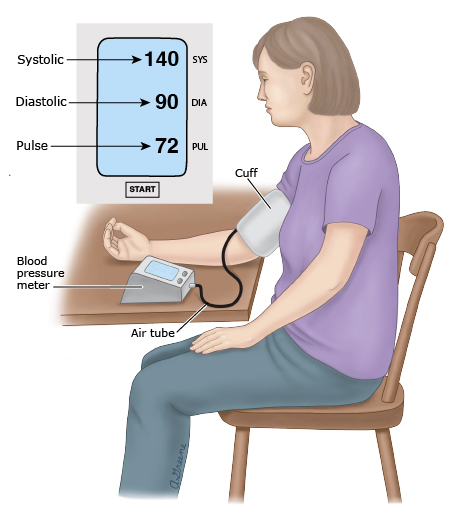
- Sit in a chair with your feet flat on the ground and with your back supported.
- Try to breathe normally and stay calm.
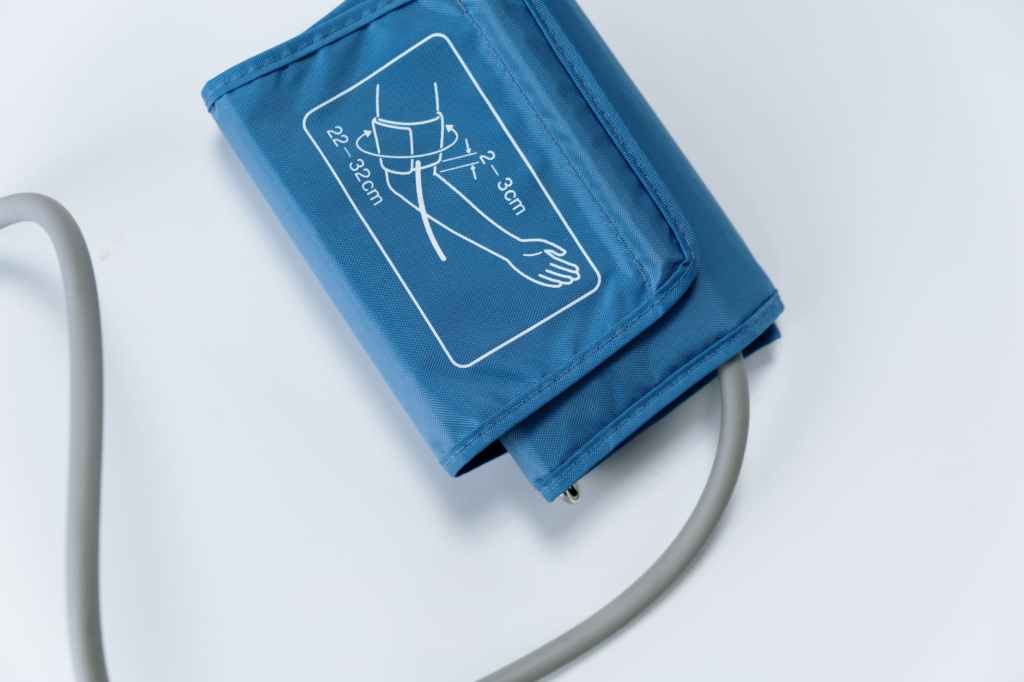
- Attach the cuff to your arm. Place the cuff directly on your skin, not over your clothing. The cuff should be tight enough to not slip down, but not uncomfortably tight. Your arm should be resting on a flat surface.
- Sit and relax for about 3 to 5 minutes with the cuff on. Avoid talking or texting during this period.
- Follow the directions that came with your device to start measuring your blood pressure. The screen or dial will show your blood pressure numbers.
- Stay seated and relax for 1 minute, then measure your blood pressure again.
- You should have 2 blood pressure recordings in the morning and 2 blood pressure recordings in the evening. You should record all the blood pressure readings and do this daily for at least 1 week so as to obtain more values to get an average blood pressure which is more accurate.
Please bring your blood pressure records to your doctor to review if you notice that your average home blood pressure is above 135/85.
Useful materials:
- Blood Pressure Diary: https://www.uptodate.com/contents/image?csi=b40d56b3-9134-4718-827b-65894f43519d&source=contentShare&imageKey=PI%2F131359
Related Health Screening Articles:
- Tips For Health Screening
- High Blood Pressure Screening
- ABPI Made Easy: A Simple Guide to Assessing Ankle-Brachial Pressure Index
- Are You At Risk for Obstructive Sleep Apnea (OSA)?
- Preventing the Plunge: Essential Screening for Fall Risk
- Are Your Bones Strong? The Essential Guide to Osteoporosis Screening & Prevention
- Colorectal Cancer Screening
- Cervical Cancer Screening
References:
- US Preventive Services Task Force, Krist AH, Davidson KW, Mangione CM, Cabana M, Caughey AB, Davis EM, Donahue KE, Doubeni CA, Kubik M, Li L, Ogedegbe G, Pbert L, Silverstein M, Stevermer J, Tseng CW, Wong JB. (2021). Screening for Hypertension in Adults: US Preventive Services Task Force Reaffirmation Recommendation Statement. JAMA, 325(16), 1650.
- PMID: 33904861
- Guirguis-Blake JM, Evans CV, Webber EM, Coppola EL, Perdue LA, Weyrich MS. (2021). Screening for Hypertension in Adults: Updated Evidence Report and Systematic Review for the US Preventive Services Task Force. JAMA, 325(16), 1657.
- PMID: 33904862
- Lorell, B. H., & Carabello, B. A. (2000). Left ventricular hypertrophy: pathogenesis, detection, and prognosis. Circulation, 102, 470.
- Vakili, B. A., Okin, P. M., & Devereux, R. B. (2001). Prognostic implications of left ventricular hypertrophy. Am Heart J, 141, 334.
- Levy, D., Larson, M. G., Vasan, R. S., et al. (1996). The progression from hypertension to congestive heart failure. JAMA, 275, 1557.
- Flint, A. C., Conell, C., Ren, X., et al. (2019). Effect of Systolic and Diastolic Blood Pressure on Cardiovascular Outcomes. N Engl J Med, 381, 243.
- Staessen, J. A., Fagard, R., Thijs, L., et al. (1997). Randomised double-blind comparison of placebo and active treatment for older patients with isolated systolic hypertension. The Systolic Hypertension in Europe (Syst-Eur) Trial Investigators. Lancet, 350, 757.
- Thrift, A. G., McNeil, J. J., Forbes, A., Donnan, G. A., Melbourne Risk Factor Study (MERFS) Group. (1996). Risk factors for cerebral hemorrhage in the era of well-controlled hypertension. Stroke, 27, 2020.
- Wilson, P. W. (1994). Established risk factors and coronary artery disease: the Framingham Study. Am J Hypertens, 7(7S), 7.
- Coresh, J., Wei, G. L., McQuillan, G., et al. (2001). Prevalence of high blood pressure and elevated serum creatinine level in the United States: findings from the third National Health and Nutrition Examination Survey (1988-1994). Arch Intern Med, 161, 1207.
- Hsu, C. Y., McCulloch, C. E., Darbinian, J., et al. (2005). Elevated blood pressure and risk of end-stage renal disease in subjects without baseline kidney disease. Arch Intern Med, 165, 923.
- Shimbo, D., Artinian, N. T., Basile, J. N., Krakoff, L. R., Margolis, K. L., Rakotz, M. K., & Wozniak, G. (2020). Self-Measured Blood Pressure Monitoring at Home: A Joint Policy Statement From the American Heart Association and American Medical Association. Circulation, 142(4), e42.
- PMID: 32567342
- Viera, A. J., Yano, Y., Lin, F. C., Simel, D. L., Yun, J., Dave, G., Von Holle, A., Viera, L. A., Shimbo, D., Hardy, S. T., Donahue, K. E., Hinderliter, A., Voisin, C. E., & Jonas, D. E. (2021). Does This Adult Patient Have Hypertension?: The Rational Clinical Examination Systematic Review. JAMA, 326(4), 339.
- PMID: 34313682
- Weinfeld, J. M., Hart, K. M., Vargas, J. D. (2021, September 1). Home Blood Pressure Monitoring. American Family Physician, 104(3), 237-243.
- PMID: 34523884.






Leave a comment