
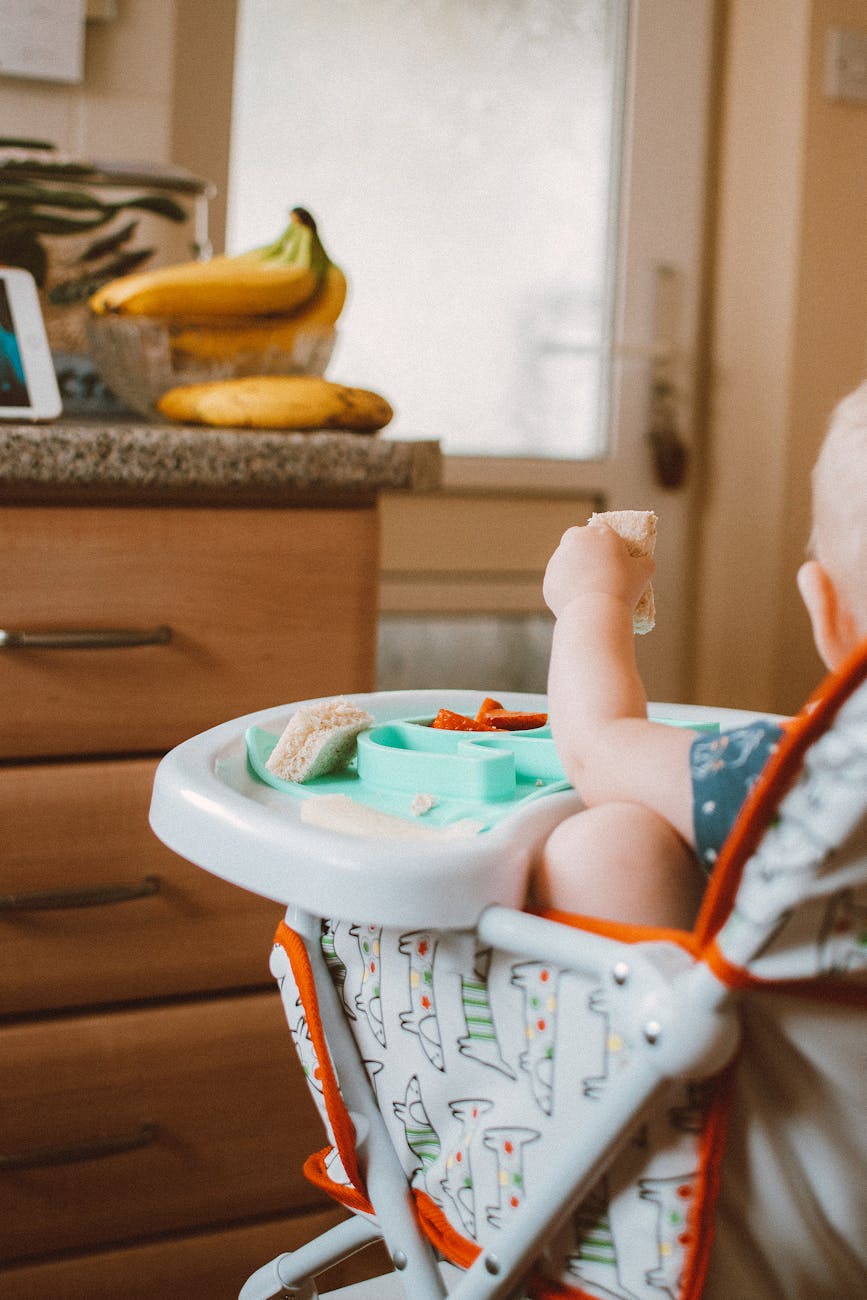
🥄✨ Wondering when to start your little one on solid foods? Discover the signs of readiness and tips for a smooth transition in our latest blog post! Let’s make mealtime a fun adventure! #BabyFood #ParentingTips #HealthyEating
The Right Age
Most authorities suggest starting solid foods not before four months of age and preferably closer to six months of age (if the baby has also reached the developmental milestones described below).
Reasons for waiting until your baby is at least four months of age include:
- Feeding only breast milk or infant formula until a baby is close to six months of age helps them grow at a healthy rate and possibly lowers the risk of infections in some settings.
- Introducing solid foods before your baby is four to six months of age may interfere with their ability to take in an adequate number of calories or nutrients. In other cases, the solid foods provide too many calories or an imbalanced diet.
- Younger babies do not have the coordination and/or skills to safely swallow solid foods, which could lead to aspiration (inhaling food/liquid into the lungs).
- Younger babies have a reflex (called the “extrusion reflex”) that causes them to raise the tongue and push against any object placed between their lips. This reflex usually disappears between four and five months of age. Trying to spoon-feed a baby who still has the extrusion reflex can be a frustrating and difficult experience for both of you.
- Introducing solid foods earlier probably does not help your baby sleep better.
Reasons for not waiting longer than six months of age include:
- After six months of age, your baby may not get enough calories and other important nutrients such as iron from breast milk or formula alone; if you do not start adding solid foods to their diet, this can slow down their growth. Most babies start needing additional calories from solid foods after they double their birth weight and weigh at least 5.9 kg. This usually happens between four and six months of age.
- If you delay introducing solid foods beyond six months of age, your baby might be less willing to try them.
- Delaying introduction of solid foods does not help prevent the development of food allergies.
Developmental milestones
The best time to start solid foods depends not only on your baby’s age but also on their developmental milestones. These guidelines apply to all children, including those who have delays with gross motor skills.
To start solid foods, your baby should be able to:
- Sit in a highchair or a feeding seat
- Have good head and neck control
- Show readiness for different textures of foods by placing their hands or toys in their mouth
- Lean forward and open their mouth when interested in food, and lean back and turn away when uninterested in the food or not hungry
In general, the preferred method for introducing foods is to offer purées by spoon. This allows your baby to learn how to use their tongue, chew, and swallow.
Foods with texture and finger foods
Between six and eight months of age, you can start to offer soft foods with textures. Then, by the time your baby is approximately six or seven months of age, you can offer them foods to eat with their hands.
You can start with finely chopped, very soft foods (such as small pieces of soft fruits, vegetables, cheese, well-cooked meats, or cooked pasta) and foods that dissolve easily (such as baby crackers or puffs).
When your baby is older (8 to 12 months), you can offer soft foods with more chunks, as long as they show no signs of choking. You may also offer a larger piece of very soft fruit or steamed vegetable to allow your baby to hold it and nibble off small bites. You should watch them constantly. If they gag or choke, you should stop giving them that food and return to offering bite-sized foods until their skills advance.
Always be careful to avoid any food that could cause choking. Common choking hazards are hot dogs, peanuts, tree nuts, grapes, raisins, raw carrots, round candies, and popcorn. Do not give these foods to children until they are at least four years old.
Conclusion
Introducing solid foods is an exciting milestone in your baby’s development! By starting around 6 months and watching for signs of readiness, you can set the stage for a lifetime of healthy eating habits. Remember, every baby is unique, so trust your instincts and consult your doctor if you have any concerns.
Related: When Should My Baby Start Solid Foods?, What Food And Drinks Should My Baby Avoid?, What Should I Know About Baby Food Allergy?, Does My Baby Need Mineral/Vitamin Supplements?, Mother’s Nutrition During Breastfeeding and For Parents





Leave a reply to Common Breastfeeding Problems – Dr Loh's Medical Blog Cancel reply