
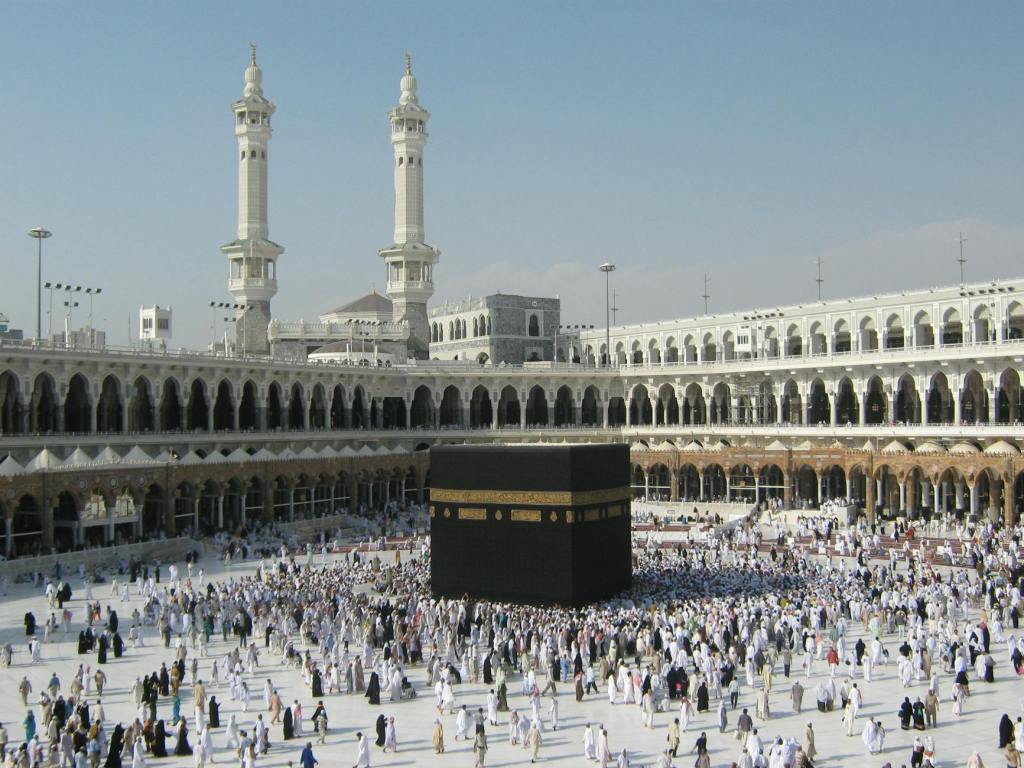
🌟 Ready for your spiritual journey? Before you pack your bags for Haj, make sure your health is in check! Discover the essential medical requirements and tips to ensure a safe and fulfilling pilgrimage. Your health matters as much as your faith! 🕋✨ #Haj2025 #HealthFirst #PilgrimagePreparation
New Mandatory Medical Health Requirements
For the upcoming Haj season, the Ministry of Hajj and Umrah (MOHU) of the Kingdom of Saudi Arabia has directed all Haj Affairs Offices to ensure compliance with its new medical health requirement.
All prospective pilgrims must obtain a valid medical health certificate confirming that they are medically fit, free from the disqualifying chronic medical conditions and physically capable of performing Haj rituals safely.
A Haj visa will not be granted unless the applicant has met these medical health requirements.
What are the disqualifying chronic medical conditions outlined by MOHU?
These include:
- Major organ failure (e.g. renal failure requiring dialysis, cardiac failure with symptoms on minimal exertion; chronic pulmonary disease requiring intermittent or continuous oxygen; advanced liver cirrhosis with hepatic failure).
- Severe neurological or psychiatric disorders that impair cognition or are accompanied by significant motor disabilities.
- Advanced age with associated dementia.
- Pregnancy during the final trimester, and high-risk pregnancies at any stage.
- Active communicable diseases that pose risks in mass gatherings (e.g. active pulmonary tuberculosis, viral haemorrhagic fevers).
What about common chronic medical conditions such as diabetes mellitus, high blood pressure or high cholesterol?
These common chronic medical conditions do not automatically disqualify applicants from performing Haj, if the condition is managed and a Medical Health Certificate is obtained.
Applicants must declare their conditions truthfully during the medical examination for medical assistance purposes during the pilgrimage.
It is important for applicants with such conditions to ensure that their health is well-controlled through proper medication, regular monitoring, and follow-up with their doctor leading up to the pilgrimage.
Are walking aids such as walking sticks or wheelchairs allowed?
Walking sticks may be permitted for light support. However, applicants who are fully dependent on a wheelchair, scooter, or constant human assistance do not meet MOHU’s medical health requirements, as Haj rituals require walking long distances and moving through large crowds.
Will vaccinations also be required?
Yes. Applicants must comply with vaccination requirements set by the Saudi Ministry of Health, such as meningococcal, pneumococcal, and seasonal influenza vaccines.
Conclusion
Preparing for Haj is not just a spiritual endeavor; it requires careful attention to health and well-being. By following these medical health requirements and recommendations, prospective pilgrims can ensure a safer and more enjoyable experience during this sacred journey. Remember, taking care of your health is an essential part of fulfilling this important religious obligation!
Safe travels and may your pilgrimage be blessed! 🌙✈️
For reference, this is the form the doctor will be using to assess an applicant (applicable to Singapore): https://form.gov.sg/687870f56bb733362cbbe82c
Related: Medical Travel Tips Series






Leave a reply to Medical Myths or Facts #29: Is colonoscopy more effective than the fecal immunochemical test (FIT)? – Dr Loh's Medical Blog Cancel reply