

🚨 What is a mini stroke? 🚨 Discover how to recognize the symptoms and use the ABCD2 score to assess stroke risk. Your brain will thank you! 🧠💡 #HealthAwareness #TIA #StrokePrevention
What is a transient ischemic attack?
A transient ischemic attack (“TIA”) is when blood flow in the brain is blocked for a short time. This causes a person to have temporary stroke-like symptoms.
TIAs happen when an artery in the brain gets clogged, or closes off, and then reopens on its own. This can happen if a blood clot forms and then moves away or dissolves.
A person who has had a TIA is at higher risk of having a stroke.
What is the difference between TIA and stroke?
A TIA does not cause permanent damage to the brain like a stroke does. But the symptoms are the same. This can make it hard to tell if a person is having a TIA or a stroke.
With a stroke, the symptoms are long-lasting, while a TIA goes away quickly.
What are the symptoms of a TIA?
The symptoms of a TIA are the same as the symptoms of a stroke. The symptoms usually start suddenly.
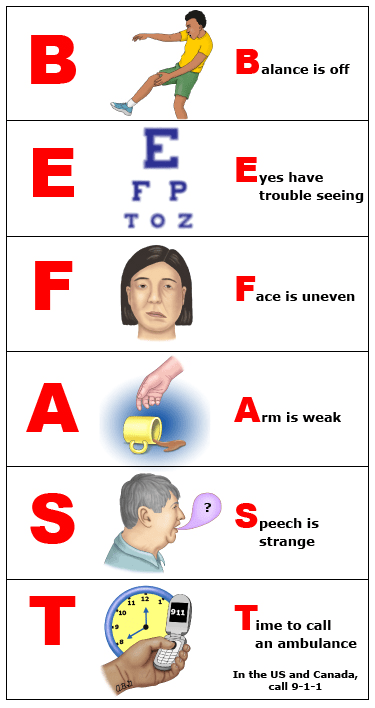
One way to help remember TIA or stroke symptoms is to think of the words “BE FAST” Each letter stands for 1 of the signs that you should watch for and what to do:
- Balance – Is the person having trouble standing or walking?
- Eyes – Is the person having trouble with their vision?
- Face – Does the person’s face look uneven or droop on 1 side?
- Arm – Does the person have weakness or numbness in 1 or both arms? Does 1 arm drift down if the person tries to hold both arms out?
- Speech – Is the person having trouble speaking? Does their speech sound strange?
- Time – If you notice any of these stroke signs, even if they go away, call for an ambulance right away. You need to act FAST. The sooner treatment begins, the better the chances of recovery.
The ABCD2 Score: A Tool for Assessment
The ABCD2 score is a clinical tool used to assess the risk of stroke following a TIA. It helps healthcare providers determine the urgency of intervention required. The score is based on five criteria:
- Age:
- Age ≥ 60 years: 1 point
- Age < 60 years: 0 points
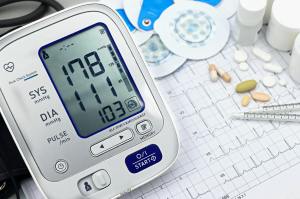
- Blood Pressure (learn how to check your blood pressure at home here):
- Systolic BP ≥ 140 mmHg or Diastolic BP ≥ 90 mmHg: 1 point
- Lower values: 0 points
- Clinical Features:
- Unilateral weakness: 2 points
- Speech disturbance without weakness: 1 point
- Other symptoms: 0 points
- Duration of Symptoms:
- Symptoms lasting ≥ 60 minutes: 2 points
- Symptoms lasting 10-59 minutes: 1 point
- Symptoms lasting < 10 minutes: 0 points
- Diabetes:
- Presence of diabetes: 1 point
- Absence of diabetes: 0 points
Scoring:
- 0-3 Points: Low risk of stroke (less than 1% within 2 days)
- 4-5 Points: Moderate risk (about 4% within 2 days)
- 6-7 Points: High risk (over 8% within 2 days)
How To Prevent TIA
Take your medicines exactly as directed. Medicines that are especially important in preventing strokes include:
- Medicines to lower blood pressure
- Medicines called statins, which lower cholesterol
- Medicines to prevent blood clots, such as aspirin or blood thinners
- Medicines that help keep your blood sugar as close to normal as possible (if you have diabetes)
Make lifestyle changes:
- Stop smoking, if you smoke.
- Get regular exercise (if your doctor says that it’s safe) for at least 30 minutes a day on most days of the week.
- Lose weight, if you are overweight.
- Eat a diet rich in fruits, vegetables, and low-fat dairy products and low in meats, sweets, and refined grains (such as white bread or white rice).
- Eat less salt (sodium).
- Limit the amount of alcohol that you drink
Conclusion
Remember, every minute counts when it comes to brain health! If you suspect yourself or someone is experiencing TIA symptoms, act fast—call for help!





Leave a reply to Medical Myths or Facts #19: Do the MMR and Varicella Vaccines Cause Autism? – Dr Loh's Medical Blog Cancel reply