
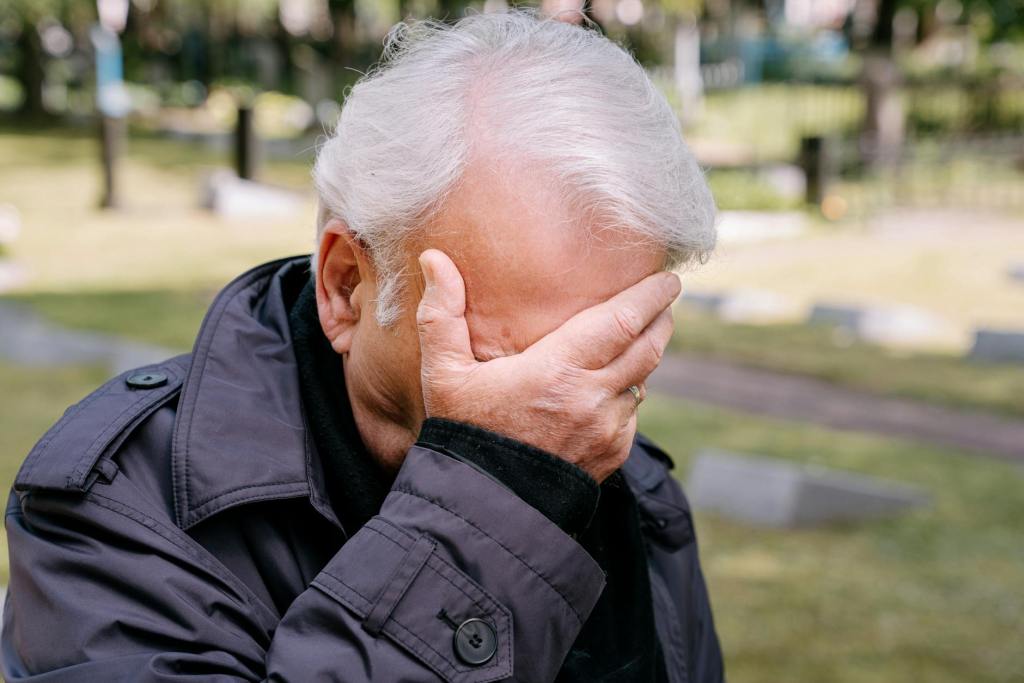
🚨 Feeling dizzy when you stand up? You might be experiencing postural hypotension! Discover how to measure your blood pressure at home and take control of your health. 💪📈 #HealthTips #PosturalHypotension #SelfMonitoring
What is Postural Hypotension?
Also known as orthostatic hypotension, this is a drop in blood pressure that can happen to some people when they stand up. It can make you feel dizzy or lightheaded. It can even make you pass out.
Symptoms of Postural Hypotension
The symptoms all happen when you stand up after sitting or lying down. They can include:
- Feeling lightheaded or dizzy
- Blurry or dim vision
- Weakness
- Fainting or passing out
Why Does It Happen?
When you stand up, gravity causes blood to pool in your legs, which can temporarily reduce the amount of blood returning to your heart. In healthy individuals, the body compensates by increasing heart rate and constricting blood vessels to maintain blood pressure.
However, in those with postural hypotension, this response is impaired, which can be due to various reasons:
- Fluid Deficiency: Insufficient fluid in blood vessels from blood loss or dehydration (e.g., not drinking enough, severe diarrhea or vomiting, excessive sweating).
- Heart Function: Inadequate blood pumping by the heart.
- Nerve and Hormone Issues: Dysfunction in the nerves and hormones that regulate blood vessels.
- Medication Side Effects: Certain medications for high blood pressure, angina, or depression can contribute.
How to Measure Your Own Postural Blood Pressure at Home
- Lie down and rest for 5 minutes.
- Take your blood pressure. Record this measurement as your “lying” blood pressure.
- Stand up slowly and wait for about 1-3 minutes after standing.
- Take your blood pressure. Record this measurement as your “standing” blood pressure.
- Compare the “lying” blood pressure with the “standing” blood pressure. You have postural hypotension if there is:
- A drop of 20 mmHg or more in systolic pressure, and/or
- A drop of 10 mmHg or more in diastolic pressure
Tips for Accurate Measurements:
- Always measure at the same time each day for consistency.
- Avoid caffeine or smoking 30 minutes prior to measurements.
- Ensure you’re well-hydrated, as dehydration can affect readings.
When to Seek Help
If you consistently notice significant drops in your blood pressure upon standing or if you experience severe symptoms, it’s crucial to consult your doctor. They can provide guidance tailored to your specific situation.
Conclusion
Monitoring postural hypotension at home can empower you to take charge of your health. By understanding how to measure your blood pressure effectively, you can identify potential issues early and work with your doctor on management strategies. Remember, staying informed is key!
Related:





Leave a reply to Are You Waking Up At Night To Pee? – Dr Loh's Medical Blog Cancel reply