
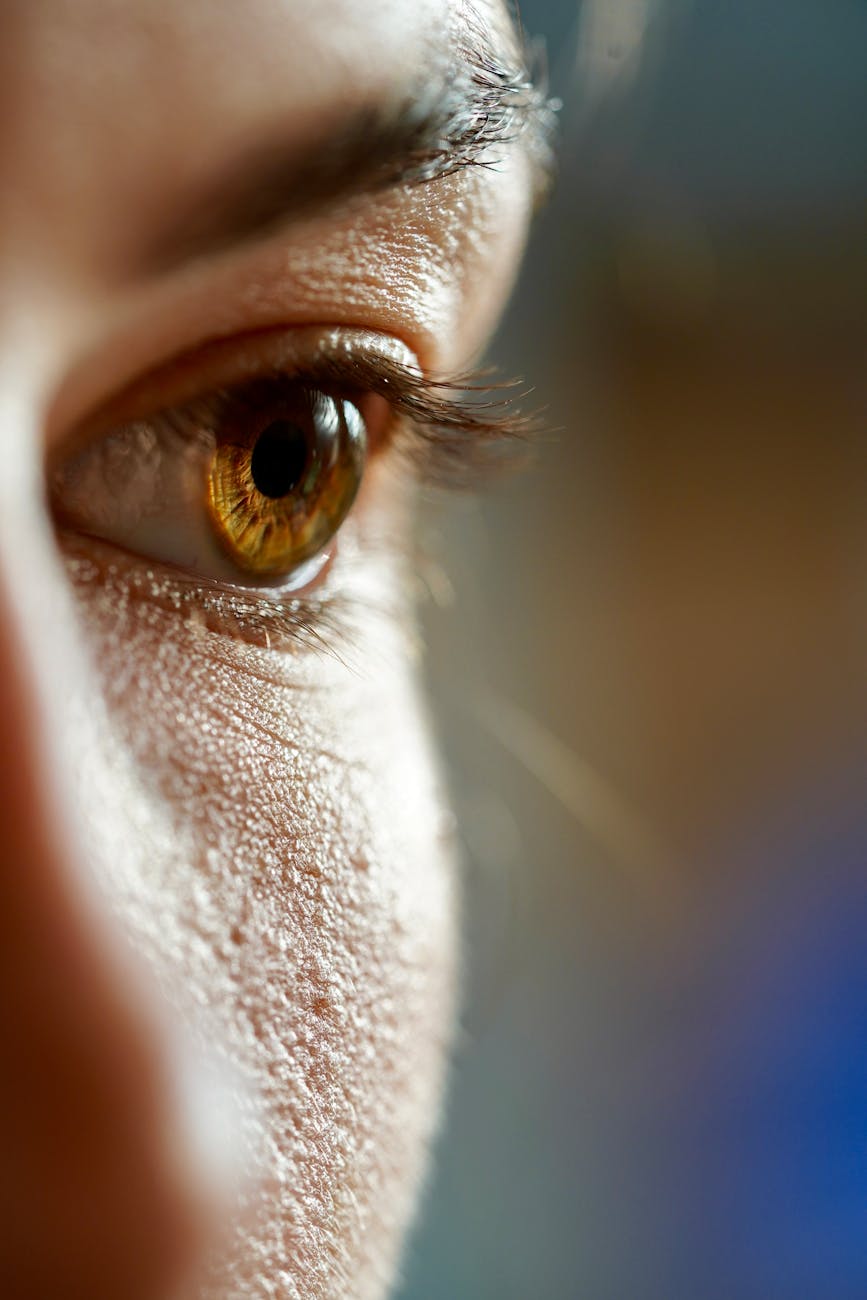
👁️💥 Ever noticed a bright red patch on your eye and panicked? Discover the truth behind subconjunctival hemorrhage and why it’s usually nothing to fear. #EyeHealth #SubconjunctivalHemorrhage
What Is Subconjunctival Hemorrhage?
Subconjunctival hemorrhage occurs when small blood vessels in the conjunctiva (the clear membrane covering the white part of the eye) break, leading to bleeding underneath the surface. This results in a bright red patch on the white part of the eye.
A subconjunctival hemorrhage can happen after coughing, sneezing, vomiting, or straining very hard. These things can put extra pressure on blood vessels. It can also be caused by injury, like if something scratches or pokes the eye. Sometimes, a subconjunctival hemorrhage happens without any obvious cause.
Symptoms
The primary symptom of subconjunctival hemorrhage is the appearance of a red spot on the white part of the eye. Other than that, it typically does not cause pain or vision changes.

Typically, a person doesn’t realize they have a subconjunctival hemorrhage until they see their eye in the mirror, or someone else tells them.
Should You See A Doctor?
If you get a red spot in your eye after coughing, sneezing, vomiting, or straining, it should go away on its own in a week or 2. If it has not improved after 2 weeks, go see a doctor.
If you have blood in your eye after an injury, do see a doctor. Even things like rubbing your eye very hard, or touching your eye while putting in or removing contact lenses, can cause injury.
You should also call if you have any other symptoms, like pain or vision problems. These can be caused by problems other than subconjunctival hemorrhage.
If you get a subconjunctival hemorrhage more than once, tell your doctor. They can do an exam, and do tests to see if you might have another health problem, such as a bleeding disorder. They might also suggest seeing an eye doctor.
How Is Subconjunctival Hemorrhage Treated?
In most cases, specific treatment is not needed. A subconjunctival hemorrhage can look scary. But the blood will usually absorb back into the eye within 2 to 4 weeks.
The area might change colors as it heals. For example, it might turn yellow.
Conclusion
Subconjunctival hemorrhage can be startling at first glance, but understanding its nature can help alleviate concerns. As always, if you have any questions about your eye health or experience unusual symptoms, don’t hesitate to reach out to your healthcare provider.
Related:






Leave a reply to Updated Pneumonia Vaccine Guidelines – Dr Loh's Medical Blog Cancel reply