
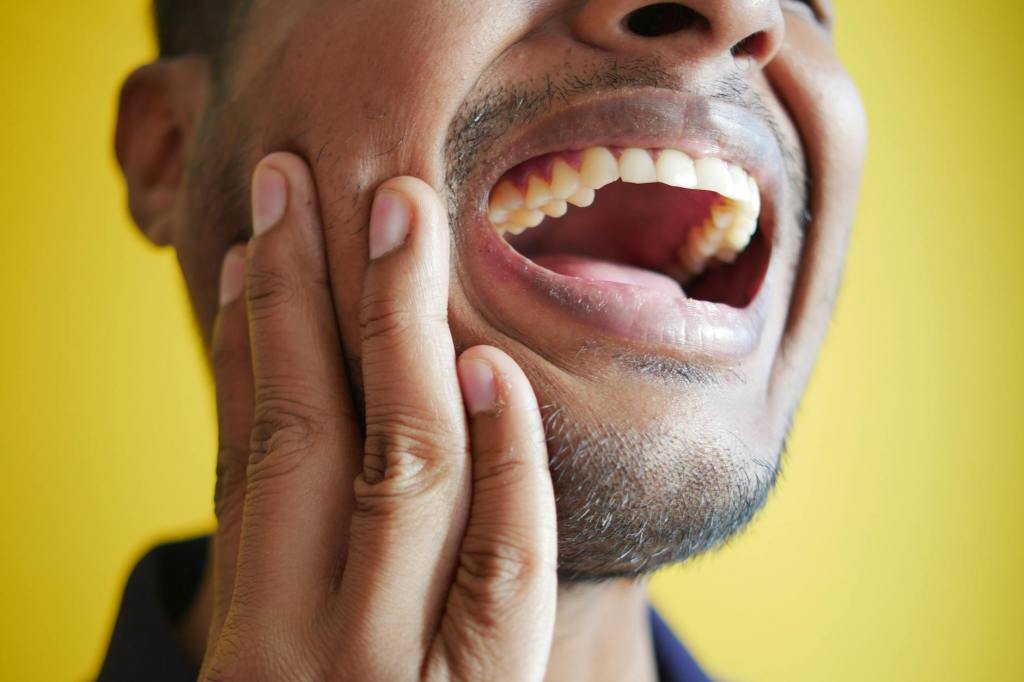
🦷💥 Jaw pain, headaches, or that annoying clicking sound when you chew? You might have TMJ disorder! Don’t let discomfort hold you back—check out this latest blog post to learn about the signs and effective solutions. #TMJDisorder #HealthTips #JawPain
What Are TMJ Disorders?
The jaw joint, called the “temporomandibular joint (TMJ)” is located in front of the ear where the jawbone connects to the head. To feel the joint, place your finger on your cheek just in front of your ear and then open and close your mouth.
This joint allows for the movement necessary for chewing, speaking, and even yawning.
Temporomandibular joint disorders are problems with the jaw joint and the muscles around it.
What Causes TMJ Disorders?
The exact cause of TMJ disorder can vary from person to person. Some common culprits include:
- Teeth Grinding: Stress or anxiety can lead to grinding your teeth at night, putting extra pressure on the TMJ.
- Jaw Injury: Trauma to the jaw can disrupt the normal function of the joint.
- Arthritis: Conditions like osteoarthritis or rheumatoid arthritis can affect the joint’s health.
- Misalignment: An uneven bite or misaligned teeth can contribute to TMJ issues.
What Are The Symptoms?
Here are some common signs to watch out for:
- Jaw Pain: This can range from mild discomfort to severe pain that radiates to your neck and shoulders.
- Clicking or Popping Sounds: You might hear a sound when you open or close your mouth—like a little percussion section in your jaw!
- Headaches and Earaches: Frequent headaches or earaches can be linked to TMJ issues.
- Difficulty Chewing: You may find it hard to bite down or chew food without discomfort.
- Locking Jaw: Sometimes, your jaw may get stuck in an open or closed position.
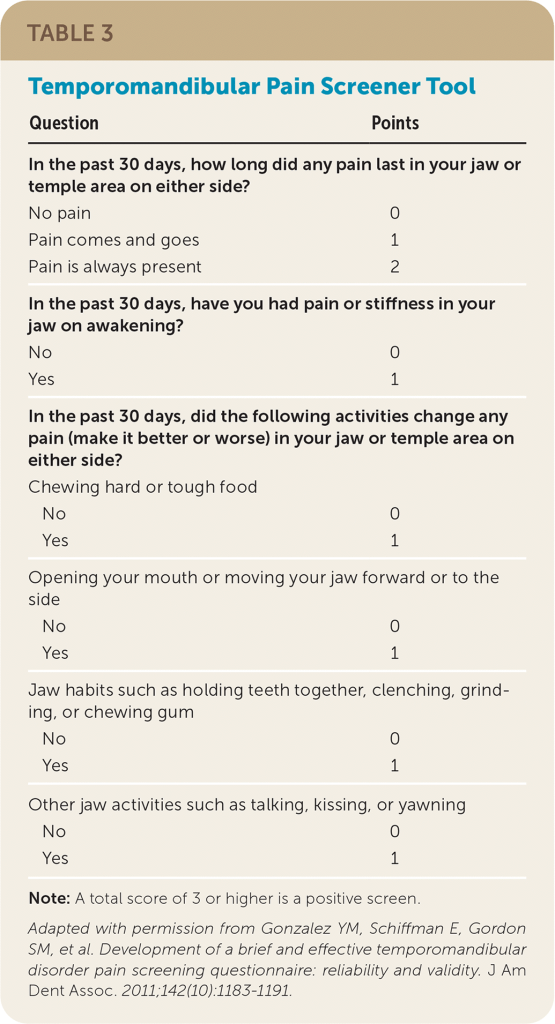
A simple screening method is the Temporomandibular Pain Screener tool as shown below:
How Is TMJ Disorder Treated?
If you suspect you have TMJ disorder, do see a doctor for evaluation to confirm the diagnosis. Your doctor may then recommend the following treatment options:
- Self-Care Practices:
- Apply heat or cold packs to reduce pain and swelling.
- Avoid triggers (e.g., nail biting, gum chewing, clenching, grinding or other repetitive jaw activities).
- Soft food diet
- Practice relaxation techniques to manage stress.
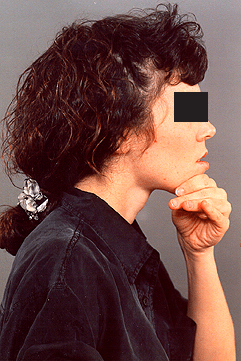
- Physical Therapy:
- A physical therapist can guide you through exercises designed to strengthen jaw muscles and improve mobility.

- Dental Treatments:
- A dentist may recommend a mouthguard to prevent teeth grinding at night.
- Medications:
- Pain relievers like ibuprofen or other prescription medications may help alleviate symptoms.
- Surgery:
- In severe cases where other treatments fail, surgical options may be considered.
Conclusion
If you’re experiencing jaw pain or other related symptoms, don’t hesitate to take action! With the right approach and care, you can unlock a more comfortable and pain-free life. Keep smiling, and take care of that jaw! 😄✨
References:






Leave a reply to Medical Myth Or Fact #8 – Does White Noise Help With Sleep? – Dr Loh's Medical Blog Cancel reply