

🔍🌀 Could you be living with OCD? Learn to identify the signs and take control of your mental health journey today! #OCD #MentalHealthMatters #SupportAndAwareness
Obsessive-Compulsive Disorder (OCD) is often misunderstood, with many people confusing it with simple quirks or habits. If you find yourself asking, “Do I have OCD?” you’re not alone. In this blog post, we’ll explore the common signs and symptoms of OCD, how to differentiate it from other behaviors, and what steps to take if you suspect you might have this condition.
What is OCD?
OCD is a mental health disorder characterized by persistent, unwanted thoughts (obsessions) and repetitive behaviors (compulsions) that individuals feel driven to perform. These obsessions and compulsions can interfere significantly with daily life, causing distress and anxiety.
Common Signs and Symptoms
Here are some common signs that may indicate the presence of OCD:
- Intrusive Thoughts: Do you experience unwanted thoughts that are distressing or disturbing? These can range from fears of harming others to worries about cleanliness or order.
- Compulsive Behaviors: Are you compelled to perform certain actions repeatedly? This could include excessive handwashing, checking locks multiple times, or arranging items in a specific order.
- Time Consumption: Do these thoughts and behaviors take up a significant amount of your time—often more than an hour each day? If so, this could be a sign of OCD.
- Distress: Are these obsessions and compulsions causing you significant anxiety or distress? Many individuals with OCD recognize that their thoughts and actions are irrational but feel powerless to stop them.
- Avoidance: Do you avoid certain situations or places because they trigger your obsessions? This avoidance can limit your daily activities and social interactions.
Differentiating OCD from Other Behaviors
It’s important to note that having certain habits or preferences doesn’t necessarily mean you have OCD. Here’s how to differentiate:
- Frequency & Intensity: While many people may have quirky habits (like always organizing their desk), OCD involves intense, persistent thoughts and behaviors that disrupt daily functioning.
- Control: Individuals with OCD often feel they lack control over their thoughts and compulsions, whereas those without the disorder typically don’t experience this level of distress.
What to Do If You Suspect You Have OCD
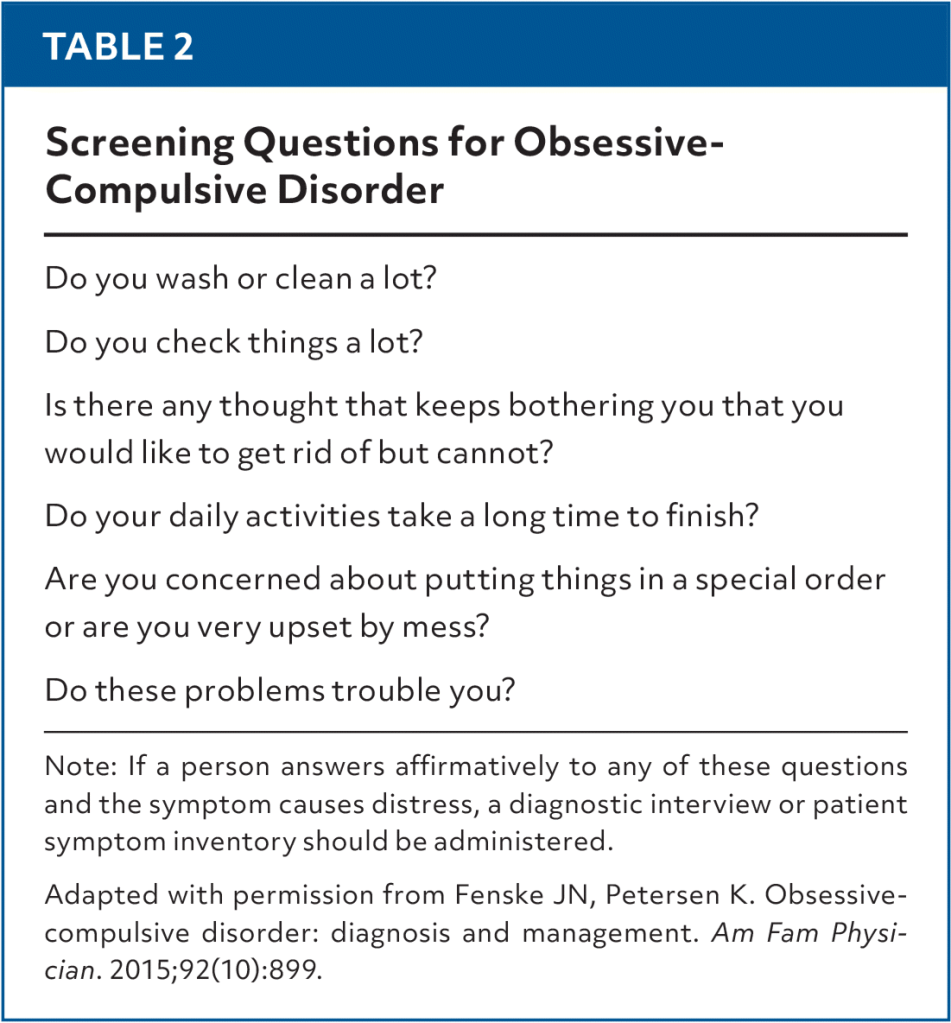
If you answer Yes to any of the questions below, it is recommended to speak to a mental health professional who can evaluate further, offer a proper diagnosis and discuss treatment options tailored to your needs. Therapy, medication, or a combination of both can be effective for managing OCD.
Conclusion
If you’re asking yourself, “Do I have OCD?” it’s essential to take your feelings seriously and seek support if needed. Remember, you’re not alone in this journey! Understanding the signs is the first step toward getting help and reclaiming control over your life. Don’t hesitate to reach out for support—your mental health matters!






Leave a reply to Probiotics 101: What is it actually good for? – Dr Loh's Medical Blog Cancel reply