

🌟☕ Is your caffeine habit a boost or a bust? Discover the safe limits of caffeine intake and enjoy your favorite drinks without the jitters! #CaffeineControl #Wellness #DrinkSmart
Caffeine is the world’s most widely consumed psychoactive substance, and for many of us, it’s an essential part of our daily routine. Whether it’s that morning cup of coffee, an afternoon energy drink, or a soothing cup of tea, caffeine can give us the boost we need to power through our day. But how much is too much?
What is Caffeine?
Caffeine is a natural stimulant found in various plants, including coffee beans, tea leaves, and cacao pods. It works by blocking adenosine receptors in the brain, which helps to increase alertness and reduce fatigue. While caffeine can have positive effects, excessive consumption can lead to negative side effects.
Recommended Safe Levels
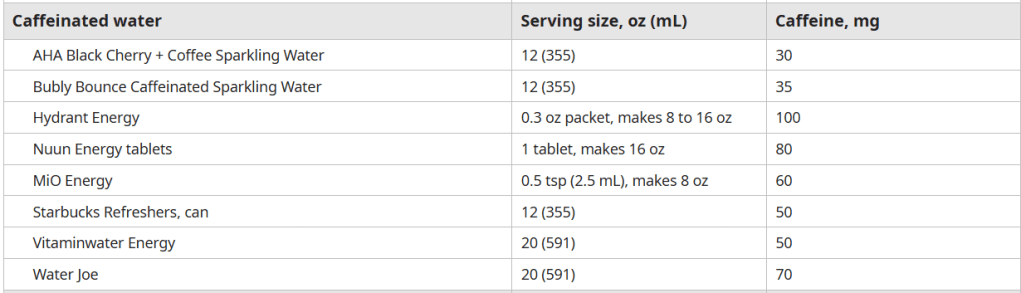
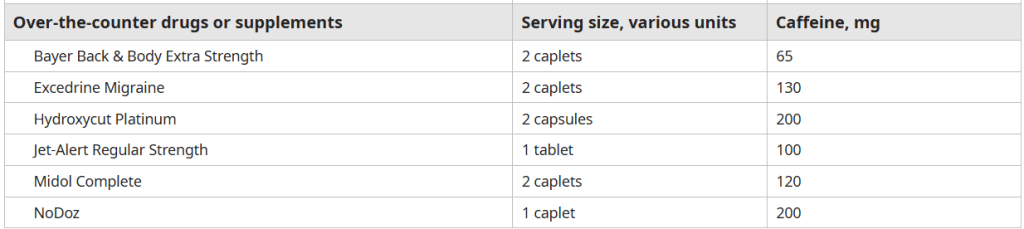
According to the U.S. Food and Drug Administration (FDA), a safe daily intake of caffeine for most adults is about 400 milligrams. Check out the table below for a guide on the caffeine amount in common beverages (Source).



Special Considerations
- Pregnant Women: It’s recommended that pregnant women limit their caffeine intake to not more than 300 milligrams per day (about 1-2 cups of coffee) due to potential risks to the fetus.
- Children and Adolescents: Caffeine intake should be limited in children and teens to 2.5 mg caffeine/kg of body weight per day.
Symptoms of Excessive Caffeine Intake
While caffeine can enhance performance and mood, too much can lead to:
- Insomnia
- Jitters or restlessness
- Increased heart rate
- Digestive issues
- Anxiety
If you experience these symptoms, it may be time to cut back on your caffeine consumption.
Tips for Managing Your Caffeine Intake
- Know Your Sources: Be aware of where caffeine is hiding—it’s not just in coffee! Check labels on soft drinks, teas, energy drinks, and even some medications.
- Gradual Reduction: If you’re looking to cut back on caffeine, do so gradually to avoid withdrawal symptoms like headaches and irritability.
- Mindful Consumption: Pay attention to how your body reacts after consuming caffeine. Adjust your intake based on your personal tolerance and lifestyle needs.
Conclusion
Caffeine can be a delightful addition to your daily routine when consumed responsibly. By understanding safe levels and being mindful of your body’s signals, you can enjoy the benefits without the jitters! So go ahead—sip that coffee or tea—but remember moderation is key!






Leave a reply to Are You Waking Up At Night To Pee? – Dr Loh's Medical Blog Cancel reply