
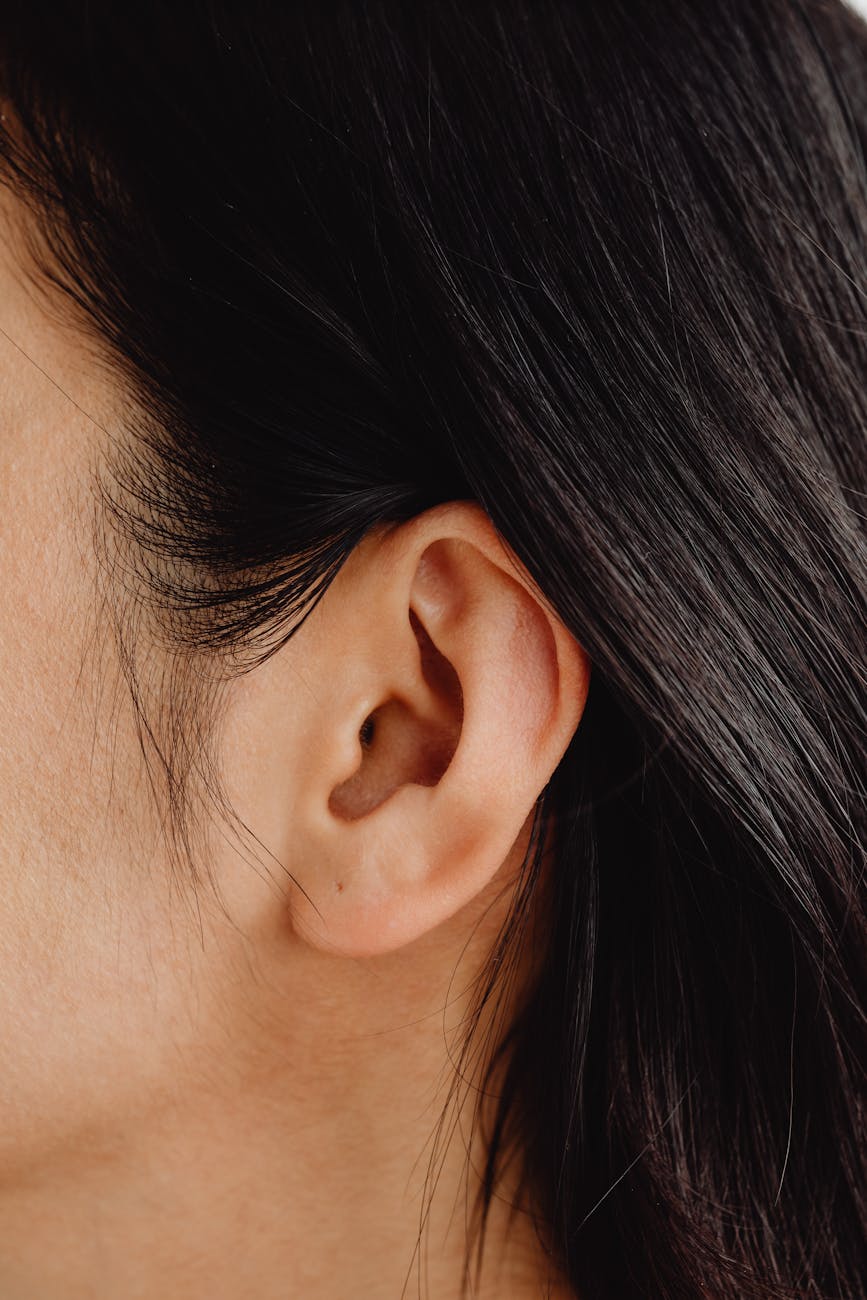
In my practice, I encounter many patients who have common misconceptions about ear wax which I will cover in this article.
What is ear wax? Is it dirt in the ear?
Ear wax is a natural substance produced by glands in the ear canal. It actually plays a crucial role in protecting our ears from water damage, infection, trauma, and foreign bodies.
Should I clean my ears at home?
No. The insides of the ears do not usually need to be cleaned. The ear is actually self-cleaning – it will move the ear wax along the ear canal and remove excess ear wax out of the ear canal. Sticking anything into the ears can push the wax in deeper and cause impaction.
What is ear wax impaction?
Ear wax impaction is when ear wax builds up enough to cause symptoms.
What are the symptoms of ear wax impaction?
- Trouble hearing
- Pain in the ear
- Feeling like the ear is blocked or plugged
- Hearing a ringing noise in the ear
- Itchiness in the ear
- Dizziness
Go to see your doctor to get your ears checked if you have the symptoms above.
What causes ear wax impaction?
- Ear-cleaning habits – As mentioned above, trying to clean the ears using cotton swabs (Q-Tips) or other tools can actually push the wax deeper into the ear instead of getting it out.
- Using devices that go into the ear – Hearing aids, “ear bud”-style headphones, and ear plugs can cause ear wax impaction if they are used over a long period of time.
- Diseases that affect the ear – Some health problems can affect the shape of the inside of the ear, and make it hard for wax to move out. For example, skin problems that cause skin cells to shed a lot can lead to wax buildup in the ears.
- Narrow ear canal – In some people, the ear canals are narrower than in others. These people might be more likely to have ear wax impaction. A person’s ear canal can become narrower after an ear injury or after severe or multiple ear infections.
- Changes in ear wax and lining due to aging – As people get older, their ear wax gets harder and thicker. This makes it more difficult for the wax to move out of the ear as it normally should.
- Making too much ear wax – Some people make more ear wax than others. This can happen when water gets trapped in the ear, or when the ear is injured. But some people just have a lot of ear wax for no obvious reason.
How is ear wax impaction treated?
- Ear drops – Special ear drops can soften ear wax and help it to drain out.
- Rinsing – In some cases, your doctor can remove impacted ear wax by squirting water into the ear to rinse it out.
- Special tools – Your GP doctor or an ENT specialist might use a special tool to remove ear wax. There are different types of tools that can do this safely. These include small sticks, hooks, and spoons. There are also tools that use suction to pull the wax out.
NOTE: Ear wax only needs to be treated if they are causing symptoms.
Can ear wax impaction be prevented?
The only way that that is within our control to prevent ear wax impaction is by not inserting anything into the ears.
If you still have recurrent ear wax impaction despite that, you may require regular treatment by your doctor.
Take home message:
Remember, ear wax is your ear’s natural defense mechanism. While it can sometimes cause problems, it’s usually best to let it do its job. If you do experience symptoms of impaction, seek professional help rather than trying to remove the wax yourself. Your ears will thank you!
Stay ear-responsible and keep those canals clear!
References:
• Lum CL, Jeyanthi S, Prepageran N, Vadivelu J, Raman R. Antibacterial and antifungal properties of human cerumen. J Laryngol Otol. 2009;123(4):375. PMID: 18694532.
• Schwartz SR, Magit AE, Rosenfeld RM, Ballachanda BB, Hackell JM, Krouse HJ, Lawlor CM, Lin K, Parham K, Stutz DR, Walsh S, Woodson EA, Yanagisawa K, Cunningham ER Jr. Clinical Practice Guideline (Update). Otolaryngol Head Neck Surg. 2017;156(1):14. PMID: 28045632.
• Kelly KE, Mohs DC. The external auditory canal. Anatomy and physiology. Otolaryngol Clin North Am. 1996;29(5):725. PMID: 8893213.
• Litton WB. Epithelial migration over tympanic membrane and external canal. Arch Otolaryngol. 1963;77:254. PMID: 13930997.
• Jabor MA, Amedee RG. Cerumen impaction. J La State Med Soc. 1997;149(10):358. PMID: 9347631.
• Meador JA. Cerumen impaction in the elderly. J Gerontol Nurs. 1995;21(12):43. PMID: 8537620.
• Mitka M. Cerumen removal guidelines wax practical. JAMA. 2008;300(13):1506. PMID: 18827201.






Leave a reply to Subscribers 23/6/24 Weekly Newsletter: Medical Travel Tips #2 Cancel reply