

🌙💤 Tired of waking up at night to use the bathroom? You’re not alone! Discover what nocturia is, why it happens, and how to prepare for the visit to your doctor! #Nocturia #SleepHealth #WellnessJourney
What is Nocturia?
Nocturia (i.e. awakening to pass urine during the night) is clinically significant if it occurs two or more times per night.
Causes of Nocturia
Here are some common culprits:
- Aging: As we age, our bodies produce less of the hormone that helps concentrate urine, leading to increased nighttime urination.
- Medical Conditions: Conditions like diabetes, heart failure, and restless leg syndrome can contribute to nocturia.
- Medications: Some medications, especially diuretics (often referred to as “water pills”), can increase urine production.
- Lifestyle Factors: Consuming caffeine, alcohol or large amounts of fluids close to bedtime can irritate the bladder and increase urgency.
Managing Nocturia By Yourself
If you find yourself frequently waking up at night to urinate, here are some strategies that may help:
- Limit Fluid Intake Before Bed: Try to reduce your fluid intake in the 3-4 hours leading up to bedtime.
- Manage Caffeine and Alcohol: Avoid these substances in the evening as they can irritate your bladder.
- Sleep Hygiene: Read more here.
How To Prepare For Your Doctor’s Visit
Due to the many other causes of nocturia, it is important to see your doctor for a proper evaluation if the above tips do not improve your nocturia. Here are some ways you can prepare for your doctor’s visit to help your doctor assess you better!
Validated Questionnaires
The validated questionnaire TANGO (Targeting the individual’s Aetiology of Nocturia to Guide Outcomes) can assist in identifying pertinent comorbidities.

In addition, men should also do the American Urological Association (AUA) Symptom Index/International Prostate Symptom Score (read more here).
Screening for undiagnosed obstructive sleep apnea should be considered using the STOP-BANG questionnaire (read more here).
Bladder Diary
A frequency-volume chart (bladder diary) with sleep/wake times for 2 to 3 days would be useful for your doctor.
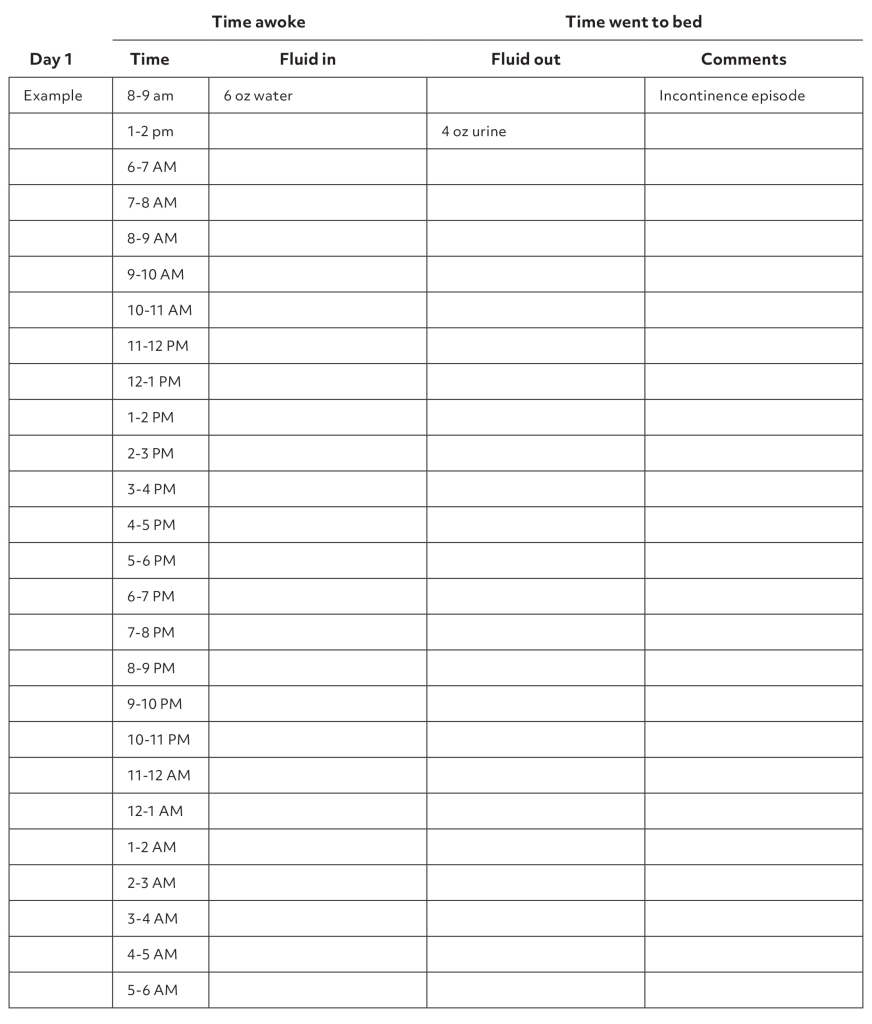
You may consider getting a specimen collector pan to measure your urine output. Do indicate if you notice any blood in your urine as well.
Conclusion
Nocturia may seem like a minor issue, but its impact on sleep quality and daily life can be significant. If you’re unsure or concerned about nocturia, don’t hesitate to reach out to your doctor for guidance.
Reference: https://www.aafp.org/pubs/afp/issues/2025/0600/nocturia.html





Leave a comment