

🤔 Wondering if you might have IBS? Learn the signs and symptoms that could point to this common condition. 🩺✨ #IBS #HealthAwareness #GutFeeling
Irritable Bowel Syndrome (IBS) is a common gastrointestinal disorder that affects the large intestine. Characterized by symptoms such as abdominal pain, bloating, gas, and changes in bowel habits (diarrhea or constipation), IBS can significantly impact a person’s quality of life. While the exact cause remains unclear, it is believed to be related to a combination of gut-brain interactions, diet, and stress.
Symptoms of IBS
The symptoms of IBS can vary widely among individuals but typically include:
- Abdominal Pain: Often relieved by bowel movements.
- Bloating: A feeling of fullness or swelling in the abdomen.
- Gas: Increased flatulence can be uncomfortable.
- Diarrhea or Constipation: Some people experience alternating episodes of both.
Types of IBS
IBS can be categorized into three main types based on predominant symptoms:
- IBS-D (Diarrhea-Predominant): Frequent loose stools and urgency.
- IBS-C (Constipation-Predominant): Infrequent bowel movements and hard stools.
- IBS-M (Mixed): Alternating between diarrhea and constipation.
Diagnosis of IBS
Your doctor will use the following criteria to determine if you have IBS:

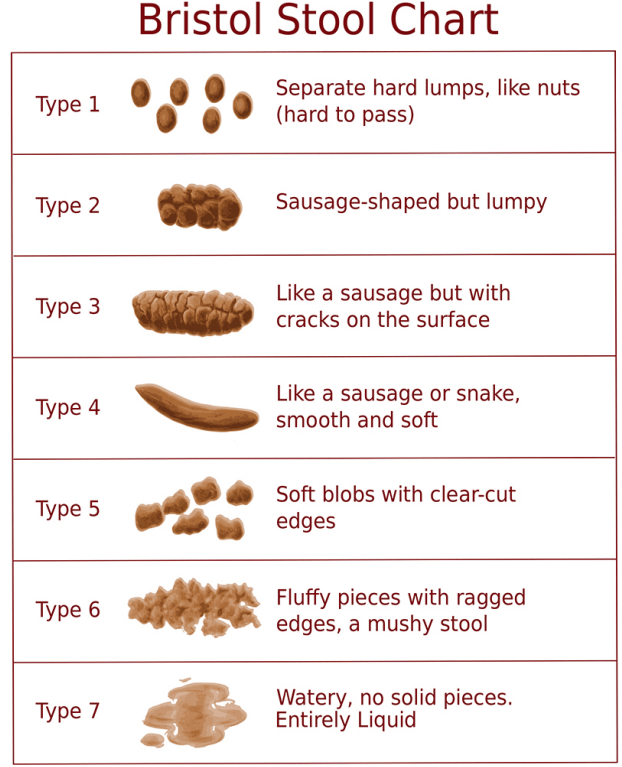
Red Flag Symptoms
These symptoms suggest potentially more serious diagnoses than IBS and should be evaluated together with your doctor before a IBS diagnosis is made:

Learn how to detect unintentional weight loss here.
Conclusion
Living with IBS can be challenging, but understanding your condition is the first step toward effective management. If you suspect you have IBS or are struggling with gastrointestinal issues, consult with a healthcare professional for personalised advice and treatment options.






Leave a comment