

Think shingles is just a rash? Think again. It’s painful, potentially serious, and preventable. Discover the facts, symptoms to watch for, and how to protect yourself today! 🩺✨ #ShinglesPrevention #HealthMatters
What Is Shingles?
Shingles is a painful rash that is usually shaped like a band on one side of your body.
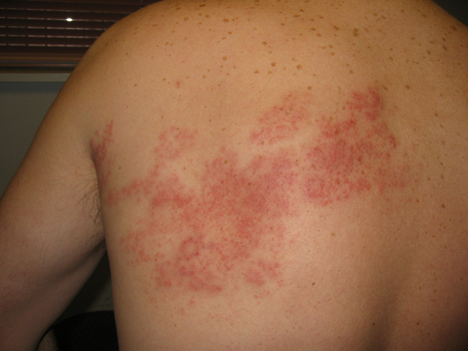
It can affect people of all ages, but it is most common in those older than 50. It is also more common in people whose immune system is weaker than normal.
What Is Singles Caused By?
Shingles is caused by a virus called varicella-zoster virus, which is the same virus that causes chickenpox. After someone has chickenpox, the virus sometimes hides out, “asleep” in the body. Years later, it can “wake up” and cause shingles.
Is Shingles Contagious?
If you have never had chickenpox or gotten the chickenpox vaccine, it is possible to “catch” the virus and then get sick with chickenpox (NOT shingles). It is commonly spread through direct contact with the shingles rash.
What Are The Symptoms Of Shingles?
- At first before any rash appears, shingles causes weird sensations on your skin, such as itching, burning, pain, or tingling.
- Within 1 to 2 days, a rash with painful blisters appears. Blisters most often appear in a band across the chest and back, though they can happen anywhere.
- Within 3 to 4 days, shingles blisters can become open sores or “ulcers.” These ulcers can sometimes get infected.
- Within 7 to 10 days, the rash should scab over and start to heal.
Can Shingles Be Serious?
Yes, shingles can be serious, but this is rare. About 1 out of 10 people with shinglеs will get something called “postherpetic neuralgia” (“PHN”).
People with PHN keep feeling pain or discomfort (itching, burning, tingling) even after their rash goes away. This pain can last for months or even years.
Shingles can also cause eye or ear problems if the rash is near the eye or the ear.
How Is Shingles Treated?
If you have had the rash for less than 3 days, your doctor will prescribe an antiviral medicine to help you get rid of the virus. They can quicken your recovery and lower the chances of problems such as PHN.
If you have had the rash for more than 3 days, your doctor might or might not prescribe medicine. Antiviral medicine might help if new blisters are still appearing, or if your immune system is weaker than normal.
Is There Anything I Can Do On My Own To Feel Better?
- Take all of your medicines as instructed.
- Keep your rash clean and dry. Do not use creams or gels unless your doctor or nurse says that you should.
- Try not to scratch your skin. It might help to cover it with a clean dressing.
- Wear loose clothing if this makes you more comfortable.
Can Shingles Be Prevented?
You can lower their chances of getting shingles by getting the shingles vaccine. The vaccine might also make shingles symptoms milder if they do occur.
The shingles vaccine is typically recommended for adults over 50 years. It might also be recommended for younger adults, if the immune system is weaker than normal.
Your doctor can tell you if you should get a shingles vaccine.
When Should I Call The Doctor?
Call your doctor or nurse right away if you think that you might have ѕhinglеѕ. The sooner you can start treatment, the better.
If you are already being treated for ѕhingleѕ, call your doctor if:
- Your pain gets worse and is not helped by over-the-counter medicines.
- You have increased redness or swelling around your rash.
- You get a fever.
- You have eye symptoms like redness, irritation, or vision problems.
- You have ear symptoms like pain or trouble hearing.
Conclusion
Shingles can be a painful, disruptive condition, but understanding its causes, symptoms, and prevention can empower you to take proactive steps. If you’re over 50 or have any risk factors, consider talking to your healthcare provider about the shingles vaccine. Early treatment is key, so if you notice a tingling or painful rash, don’t hesitate to seek medical attention.
Learn more about the Shingles vaccine here.






Leave a comment