
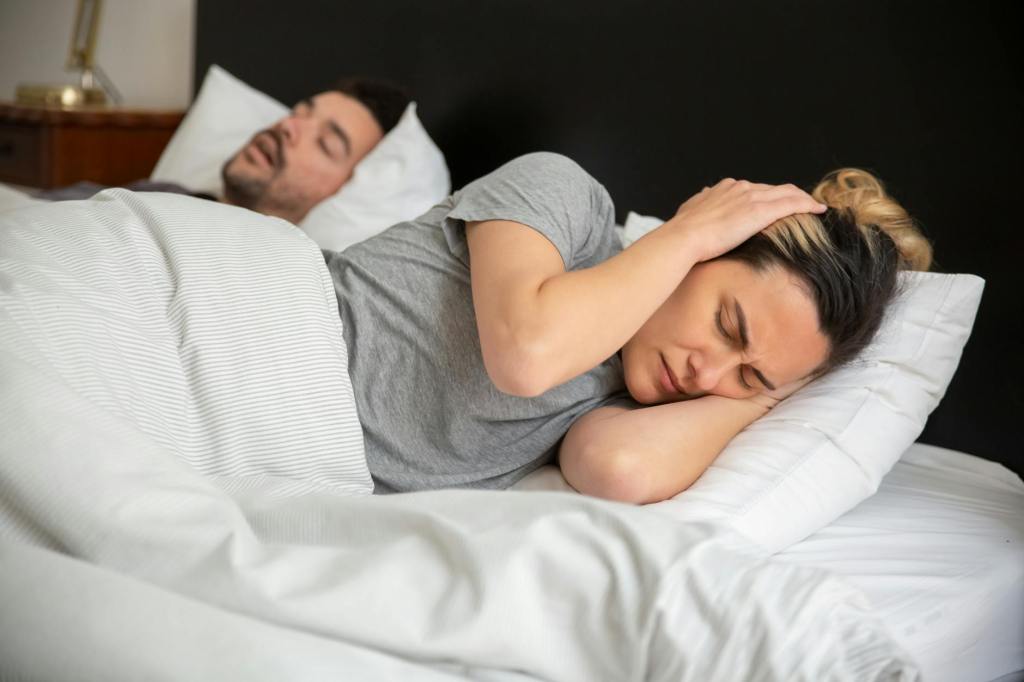
🌙🚨 Do you snore or wake up feeling exhausted? Don’t ignore the signs! Use the STOP-BANG questionnaire to self-screen for Obstructive Sleep Apnea and take control of your sleep health today! #SleepApnea #HealthTips #TakeCharge
What is OSA?
Obstructive Sleep Apnea (OSA) is a condition where a person’s breathing repeatedly stops and starts during sleep because their throat muscles relax too much. This can lead to loud snoring, gasping for air, and feeling very tired during the day. In simple terms, it’s like having a traffic jam in your throat while you sleep, making it hard to get good rest!
It is a common yet often undiagnosed condition that can lead to serious health issues, including high blood pressure, diabetes, and even accidents due to daytime drowsiness.
What is STOP-BANG?
STOP-BANG is an acronym used to screen for OSA. It stands for:
- Snoring: Do you snore loudly (louder than talking or loud enough to be heard through closed doors)?
- Tired: Do you often feel tired, fatigued, or sleepy during the day?
- Observed: Has anyone observed you stop breathing during your sleep?
- Pressure: Do you have or are you being treated for high blood pressure?
- BMI: Is your Body Mass Index (BMI) more than 35 kg/m²?
- Age: Are you over 50 years old?
- Neck circumference: Is your neck circumference greater than 40 cm (15.75 inches)?
- Gender: Are you male?
Each “yes” answer scores one point, and the total score helps assess your risk for OSA.
Scoring Interpretation
- 0-2 points: Low risk of OSA
- 3-4 points: Moderate risk of OSA
- 5-8 points: High risk of OSA
Next Steps After Screening
If you suspect that you may have OSA based on your STOP-BANG score, consider the following steps:
- Consult a Healthcare Provider: Discuss your results with a medical professional who can recommend further testing, such as a sleep study.
- Lifestyle Changes: Implement lifestyle modifications like weight management, avoiding alcohol before bedtime, and sleeping on your side.
- Follow-Up Care: If diagnosed with OSA, follow your provider’s recommendations for treatment options, which may include CPAP therapy or other interventions.
Conclusion
Self-screening for Obstructive Sleep Apnea using the STOP-BANG criteria is a simple yet effective way to assess your risk. By taking this proactive approach, you can safeguard not just your sleep but also your overall health. Remember, if in doubt, always consult with a healthcare professional!
Related Health Screening Articles:
- Tips For Health Screening
- High Blood Pressure Screening
- ABPI Made Easy: A Simple Guide to Assessing Ankle-Brachial Pressure Index
- Are You At Risk for Obstructive Sleep Apnea (OSA)?
- Preventing the Plunge: Essential Screening for Fall Risk
- Are Your Bones Strong? The Essential Guide to Osteoporosis Screening & Prevention
- Colorectal Cancer Screening
- Cervical Cancer Screening




Leave a comment